

Nature is full of stories that sound like science fiction until you realize they’re real. 🌼
Flowers don’t have brains, but they do have an internal biological clock.
Yes.. did you know that some flowers can even “remember” the time of day.
Have you ever noticed that even if you move certain flowers into constant darkness or constant light, they’ll continue opening and closing at roughly the same times for several days. This internal rhythm (circadian clock) helps them be open precisely when their most effective pollinators are active, conserving energy the rest of the time.
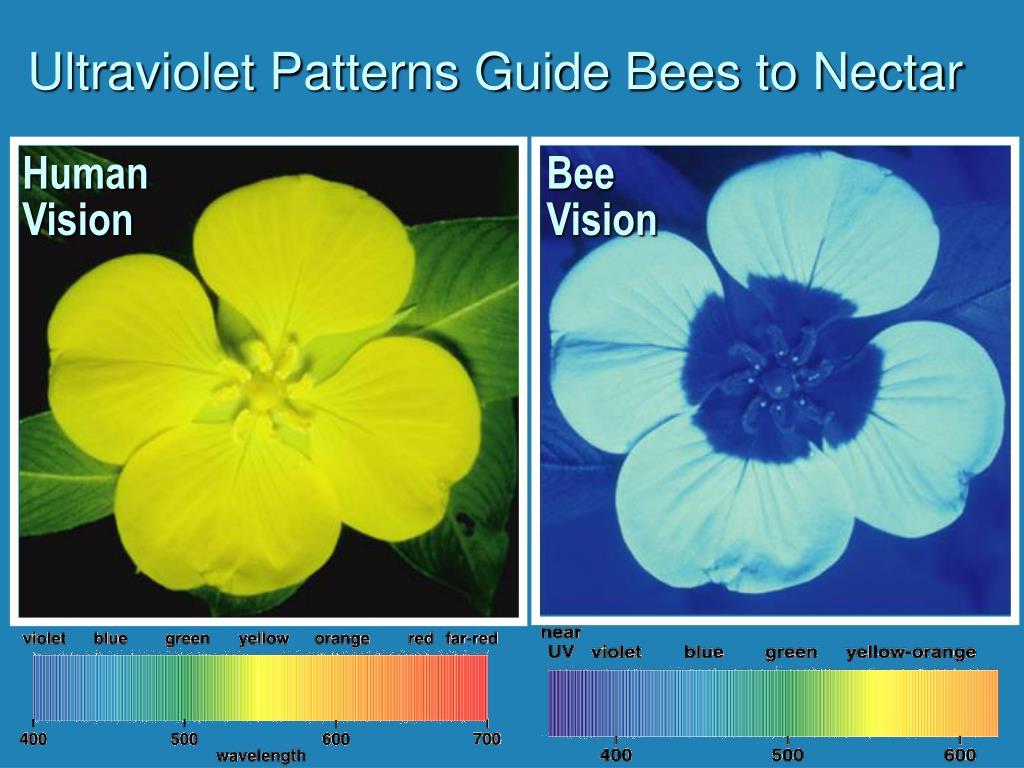
Many flowers have “secret” patterns that humans can’t see.
- Flowers often reflect ultraviolet (UV) light in patterns invisible to us but obvious to bees. These UV “nectar guides” act like landing lights, directing pollinators to the flower’s nectar while improving pollination efficiency.

Some flowers heat themselves.
- Species like the skunk cabbage and titan arum can generate heat during blooming. This helps spread their scent farther and attracts insects that pollinate them. In some cases, the flower can become several degrees warmer than the surrounding air.

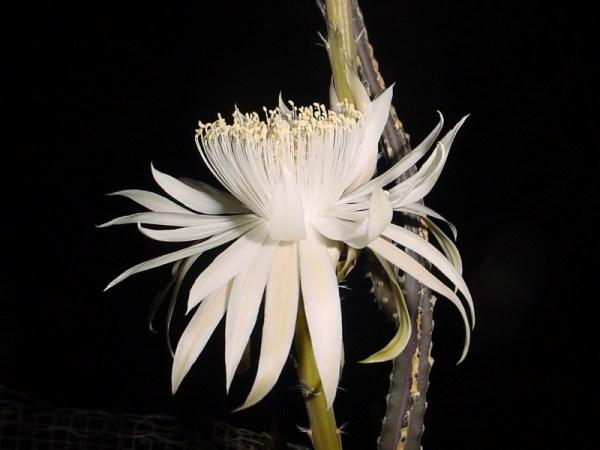
Flowers can “choose” when to bloom based on their pollinators.
- Many flowers have evolved precise schedules. Day-blooming flowers attract bees and butterflies. Night-blooming flowers, such as the Queen of the Night, open for just one night to attract moths or bats.
Flower color isn’t just for attracting pollinators.
- Pigments like anthocyanins can protect flowers from intense sunlight, UV radiation, and temperature stress. In some species, flower color even changes after pollination to signal to insects that the flower no longer offers nectar, saving pollinators time.
It’s a reminder that plants aren’t passive. They sense light, gravity, touch, temperature, chemicals, and even subtle vibrations. In their own way, they’re constantly responding to the world around them.